Complete Guide to Selling Your Car Privately in Dubai
A comprehensive step-by-step resource for Dubai residents navigating the private vehicle sale process, from documentation to final ownership transfer.
Understanding Documentation Requirements
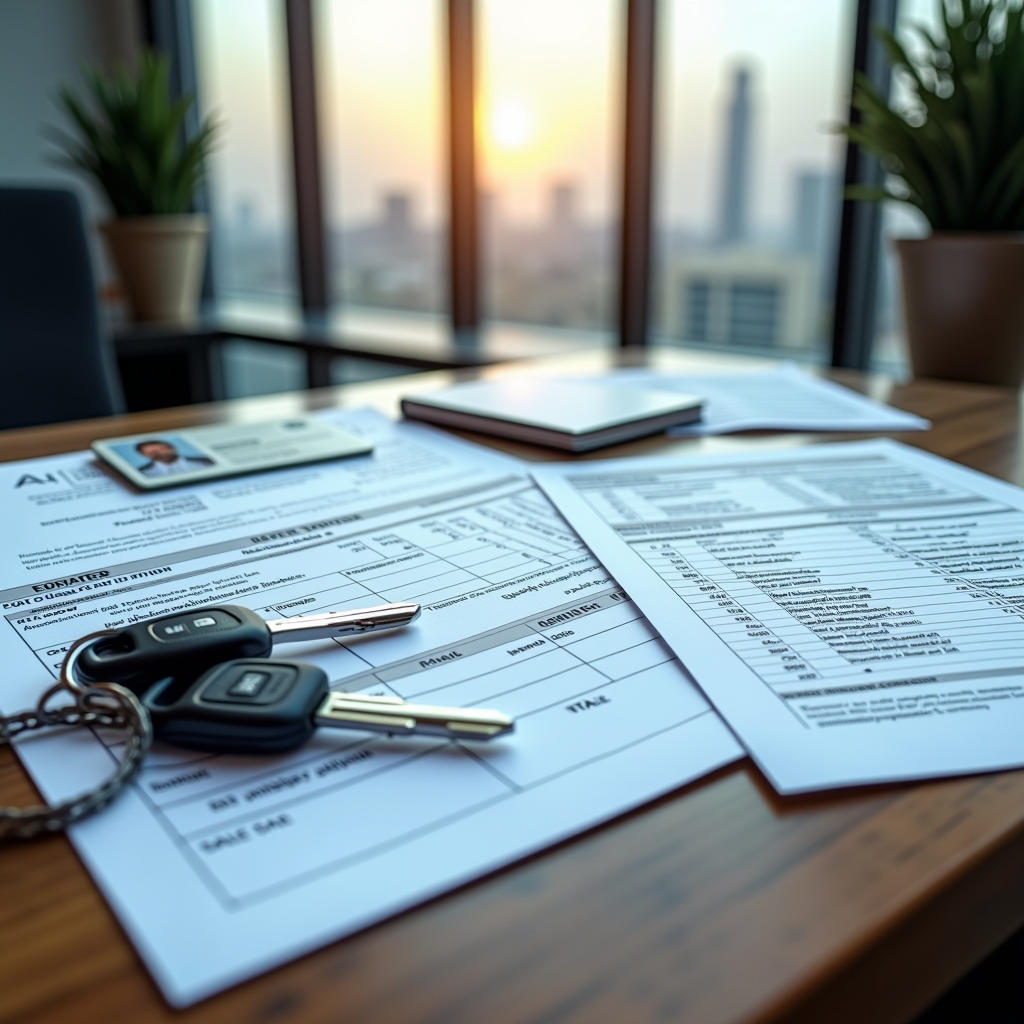
Selling your vehicle privately in Dubai requires careful preparation of essential documents. The Roads and Transport Authority (RTA) mandates specific paperwork to ensure legal transfer of ownership. Before listing your car on any classifieds website or online classifieds platform, gather all necessary documentation to streamline the process and build buyer confidence.
The primary document you'll need is your original vehicle registration card (Mulkiya). This card contains critical information about your vehicle including make, model, year, chassis number, and current registration status. Ensure your registration is valid and not expired, as buyers cannot complete the transfer with an expired Mulkiya. Additionally, you'll need your original Emirates ID and passport copies for identity verification during the transfer process.
If your vehicle has an outstanding loan, you must obtain a clearance letter from your bank or finance company. This letter confirms that all payments have been settled and the bank releases its claim on the vehicle. Without this clearance, the RTA will not process the ownership transfer. Contact your financial institution at least two weeks before your planned sale date to allow sufficient processing time.
Prepare a comprehensive service history file including maintenance records, repair invoices, and warranty documents. While not legally required, this documentation significantly increases buyer confidence and can justify your asking price. Organize these records chronologically and make copies available for serious buyers to review during viewings.
Vehicle Valuation and Pricing Strategy
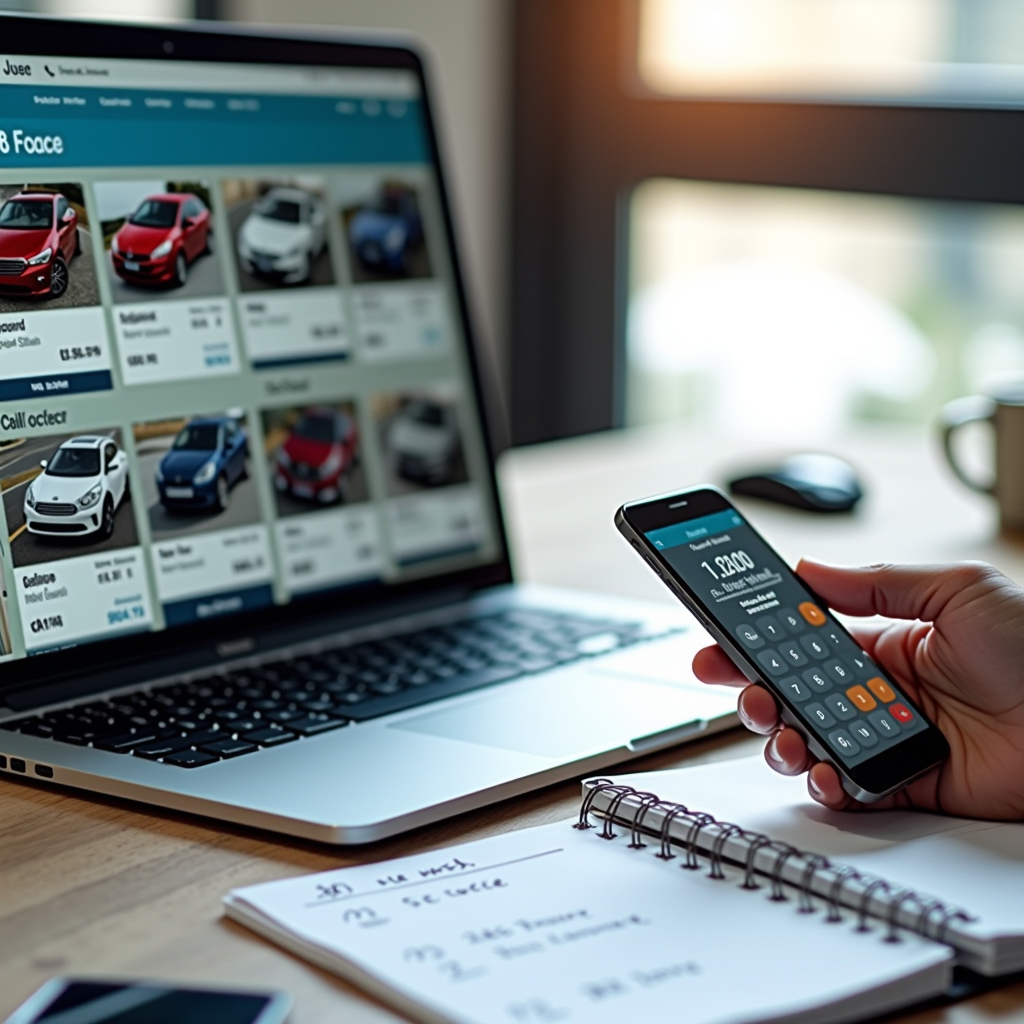
Determining the right asking price is crucial for attracting serious buyers while maximizing your return. Begin by researching current market values for your specific make, model, year, and trim level. Browse multiple online classifieds platforms to identify pricing trends for similar vehicles in comparable condition. Pay attention to mileage, specification level, and any unique features that might affect value.
Consider obtaining a professional valuation from authorized dealers or independent appraisers. Many dealerships offer free valuation services, though their offers typically represent trade-in values rather than private sale prices. Private sales generally command 10-20% higher prices than dealer trade-ins, reflecting the absence of dealer margins. Factor in your vehicle's condition, service history, accident history, and any modifications when adjusting from baseline market values.
Set your asking price slightly above your minimum acceptable price to allow negotiation room. Most buyers expect some flexibility, and starting higher gives you space to negotiate while still achieving your target. However, avoid overpricing significantly as this can deter potential buyers from even viewing your vehicle. A competitive price generates more inquiries and creates urgency among interested parties.
Be prepared to justify your asking price with documentation. Highlight recent maintenance, new parts, low mileage, or premium features that add value. Transparency about your vehicle's condition and pricing rationale builds trust and facilitates smoother negotiations. Remember that seasonal factors, fuel prices, and economic conditions can influence demand and pricing in Dubai's dynamic automotive market.
Preparing Your Vehicle for Viewings
First impressions significantly impact buyer interest and negotiating power. Invest time in thoroughly cleaning and detailing your vehicle before scheduling viewings. A professional detail service typically costs between AED 150-300 and can substantially increase perceived value. Focus on both exterior and interior presentation, as buyers scrutinize every aspect during inspections.
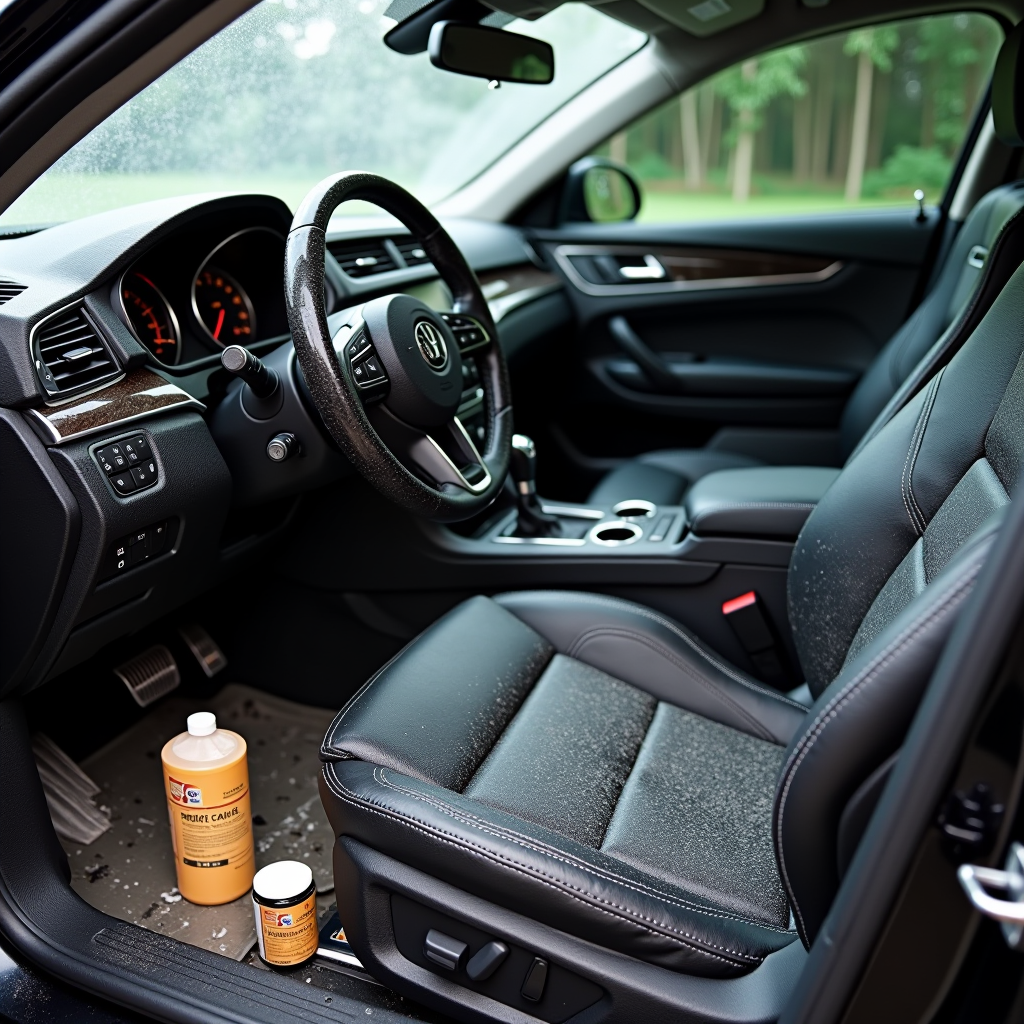
Address minor cosmetic issues that might deter buyers or provide negotiation leverage. Small scratches, dents, or paint chips can be repaired relatively inexpensively but significantly improve overall appearance. Replace worn floor mats, fix non-functioning lights, and ensure all features operate correctly. These small investments demonstrate care and maintenance, reassuring buyers about the vehicle's overall condition.
Conduct a pre-sale mechanical inspection at a reputable service center. This inspection identifies potential issues that might arise during buyer inspections or test drives. Addressing mechanical problems beforehand prevents last-minute negotiations or deal cancellations. Provide the inspection report to serious buyers as evidence of your vehicle's mechanical soundness and your transparency as a seller.
Remove all personal items and ensure the vehicle is empty for viewings. Buyers need to envision the car as their own, which is difficult when filled with personal belongings. Check all storage compartments, glove box, and trunk. Ensure you have both sets of keys available, along with owner's manuals and any additional accessories that came with the vehicle.
Creating Effective Online Listings
Your online listing serves as the primary marketing tool for attracting potential buyers. Write a detailed, honest description highlighting your vehicle's key features, specifications, and condition. Include essential information such as year, make, model, trim level, mileage, color, transmission type, and fuel type. Mention any premium features like sunroof, leather seats, navigation system, or advanced safety features that add value.

Photography quality directly impacts inquiry rates on classifieds websites. Take photos during daylight hours in a clean, uncluttered location. Capture multiple angles including front, rear, both sides, interior dashboard, seats, trunk, and engine bay. Ensure photos are well-lit, in focus, and accurately represent your vehicle's condition. Avoid using filters or editing that misrepresents the actual appearance.
Be transparent about any imperfections or issues. Honesty builds trust and prevents wasted time with buyers who discover undisclosed problems during viewings. Describe the service history, recent maintenance, and any warranty coverage remaining. Mention if the vehicle has been involved in accidents, even if fully repaired, as buyers appreciate transparency and can verify this information through vehicle history reports.
Include clear contact information and specify your preferred communication method. Respond promptly to inquiries, as delayed responses often result in lost opportunities. Prepare answers to common questions about fuel efficiency, maintenance costs, reason for selling, and negotiation flexibility. Professional, courteous communication throughout the inquiry process reflects positively on you as a seller and facilitates smoother transactions.
Managing Test Drives Safely
Test drives are essential for serious buyers but require careful management to protect yourself and your vehicle. Always verify the buyer's identity by requesting their Emirates ID before allowing a test drive. Take a photo of their ID and note their contact information. This documentation provides security and accountability should any issues arise during or after the test drive.
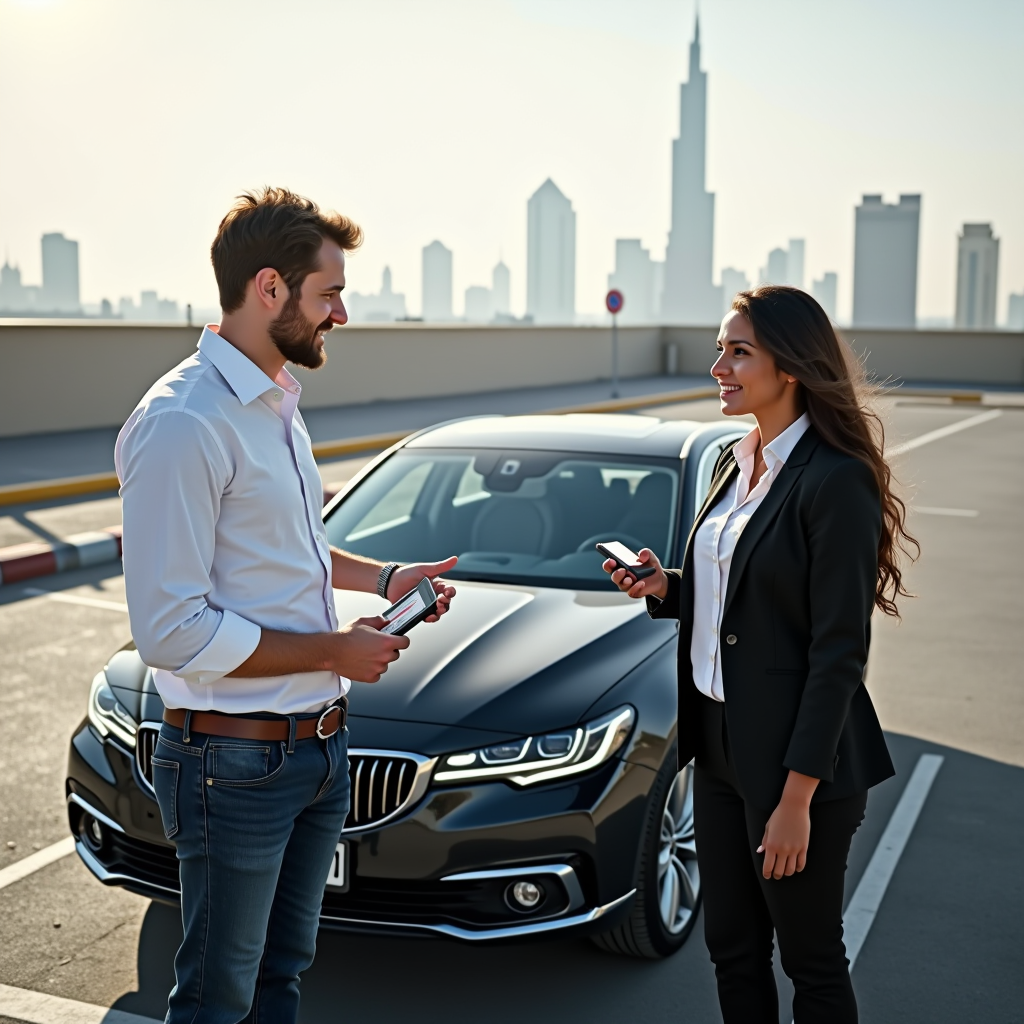
Accompany buyers during all test drives and establish clear ground rules beforehand. Specify the route, duration, and any restrictions on driving behavior. Choose a predetermined route that includes various road conditions—highways, residential streets, and parking maneuvers—allowing buyers to assess the vehicle comprehensively while maintaining control over the experience.
Meet potential buyers in public, well-lit locations rather than your home address. Shopping mall parking lots or popular public areas provide safety and convenience. Schedule test drives during daylight hours when possible, and inform a friend or family member of your plans, including the buyer's contact information and expected duration.
Trust your instincts regarding potential buyers. If someone seems suspicious, overly aggressive, or unwilling to provide identification, politely decline the test drive. Legitimate buyers understand and respect reasonable security measures. After the test drive, be prepared to answer technical questions and discuss pricing, but avoid feeling pressured into immediate decisions. Give yourself time to consider offers and negotiate terms that work for both parties.
Navigating RTA Transfer Procedures
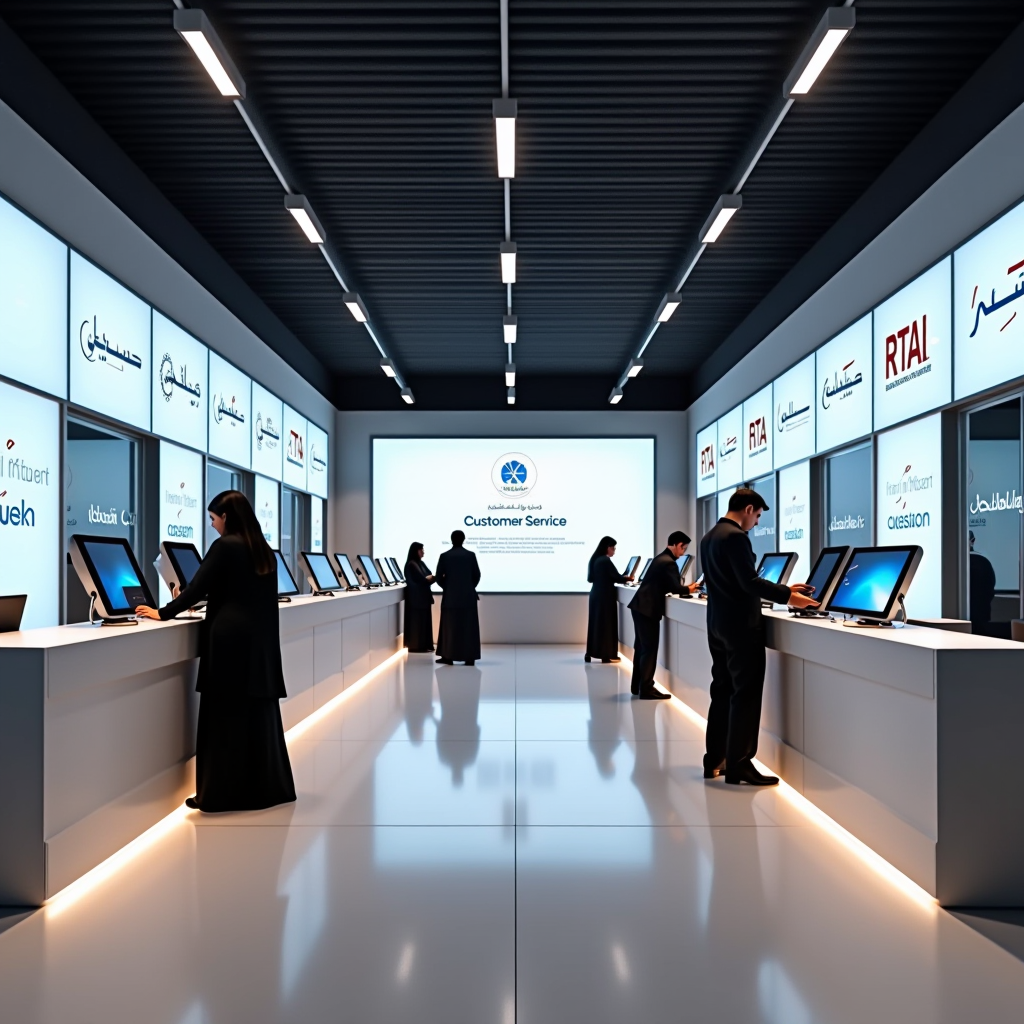
Once you've agreed on a price with a buyer, the ownership transfer process through the RTA must be completed promptly. Both parties must visit an RTA customer service center together with all required documents. The buyer typically covers transfer fees, which include registration transfer charges, new number plate fees if requested, and any applicable processing fees. Current transfer fees range from AED 350-550 depending on the service center and additional services selected.
Before visiting the RTA, ensure your vehicle passes the mandatory technical inspection if required. Vehicles older than three years must undergo inspection at authorized testing centers before ownership transfer. The inspection verifies that the vehicle meets safety and emissions standards. Schedule this inspection in advance and address any issues identified to avoid delays during the transfer process.
At the RTA center, you'll complete a sale agreement form documenting the transaction details including agreed price, vehicle information, and both parties' identification. The RTA staff will verify all documents, process the transfer, and issue new registration in the buyer's name. This process typically takes 30-60 minutes if all documentation is in order. Ensure you receive confirmation that the transfer is complete before handing over the vehicle and keys.
Payment should be handled securely during or immediately after the RTA transfer. Bank transfers or manager's cheques are the safest payment methods for high-value transactions. Avoid accepting cash for amounts exceeding AED 10,000 due to security concerns and banking regulations. Verify that payment has cleared before releasing the vehicle, and provide the buyer with a signed receipt acknowledging full payment received.
Common Buyer Questions and Concerns
Preparing for common buyer questions demonstrates professionalism and builds confidence in your vehicle. Buyers frequently inquire about accident history, so be ready with honest answers. If your vehicle has been in accidents, explain the extent of damage, repairs performed, and whether structural integrity was affected. Provide repair invoices and insurance documentation if available.

Maintenance history questions are inevitable. Detail your service schedule, including oil changes, brake replacements, tire rotations, and major repairs. Explain whether you followed manufacturer-recommended service intervals and which service centers performed the work. Authorized dealer service history typically commands higher buyer confidence than independent garage maintenance, though both are acceptable with proper documentation.
Buyers often ask about your reason for selling. Provide honest, straightforward answers whether you're upgrading, relocating, or simply no longer need the vehicle. Avoid vague or defensive responses that might raise suspicions about undisclosed problems. Transparency about your circumstances helps buyers feel comfortable proceeding with the purchase.
Expect questions about warranty coverage, especially for newer vehicles. Clarify whether manufacturer warranty remains valid and transferable to the new owner. Explain any extended warranty coverage you purchased and whether it can be transferred. Some buyers specifically seek vehicles with remaining warranty coverage, making this information valuable in negotiations.
Be prepared to discuss fuel efficiency, insurance costs, and typical maintenance expenses. Buyers want to understand the total cost of ownership beyond the purchase price. Share your experience with fuel consumption, annual insurance premiums, and regular maintenance costs. This information helps buyers make informed decisions and demonstrates your knowledge and care for the vehicle.
Final Tips for Successful Private Sales
Selling your vehicle privately in Dubai requires patience, preparation, and attention to detail. Success depends on presenting your vehicle professionally, pricing it competitively, and managing the sales process efficiently. Remember that transparency and honesty throughout the process build trust and facilitate smoother transactions.
Take advantage of online classifieds platforms to reach a wide audience of potential buyers. Quality photos, detailed descriptions, and prompt communication significantly increase your chances of finding the right buyer quickly. With proper preparation and realistic expectations, you can successfully navigate the private sale process and achieve a fair price for your vehicle.