Complete Guide to Renting in Dubai: RERA Regulations, DEWA Setup, and Essential Tips for Newcomers
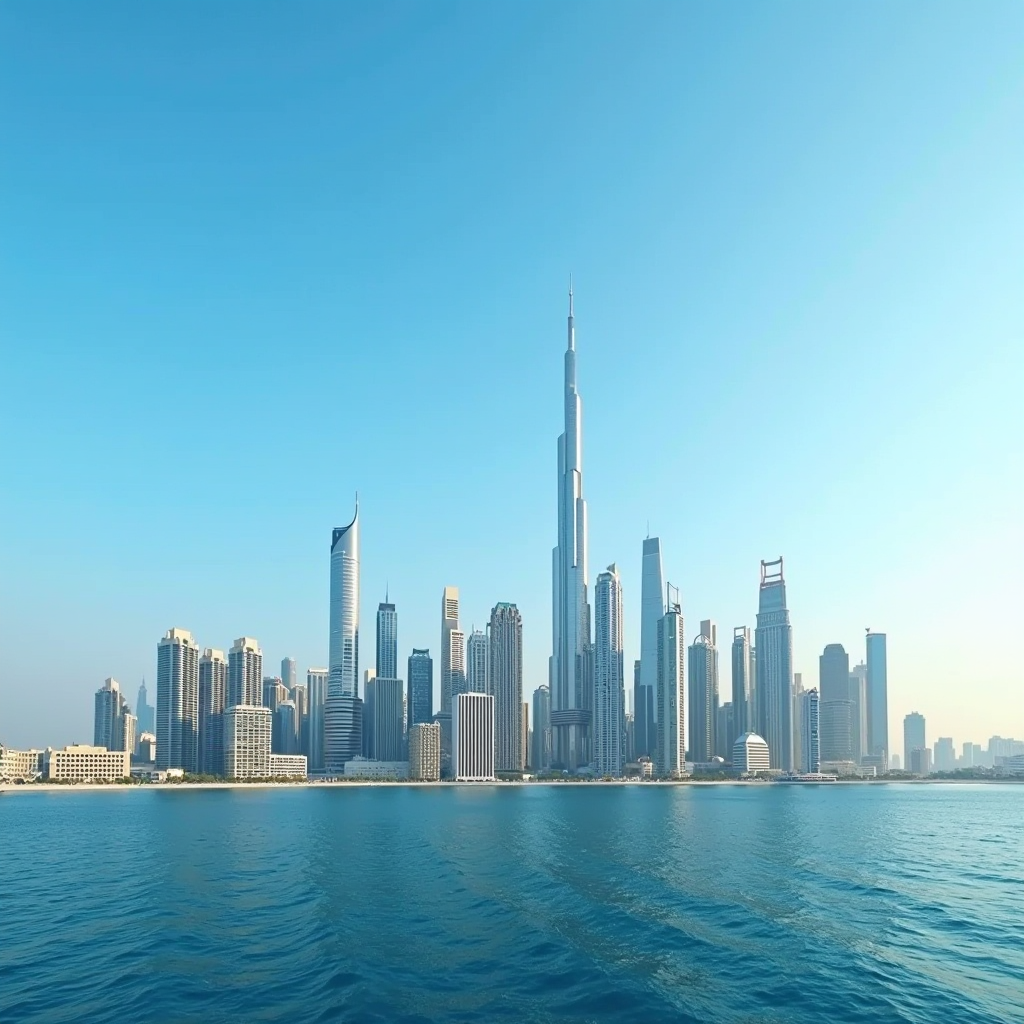
Moving to Dubai and navigating the rental market can feel overwhelming for newcomers. With its unique regulations, documentation requirements, and cultural nuances, understanding the rental process is essential for a smooth transition. This comprehensive guide walks you through everything you need to know about renting in Dubai, from understanding RERA regulations to setting up your DEWA connection and budgeting for hidden costs.
Whether you're searching for your first apartment in Dubai Marina, considering a villa in Arabian Ranches, or exploring budget-friendly options in International City, this guide provides practical advice to help you make informed decisions. We'll cover the legal framework that protects tenants, explain utility setup procedures, and share insider tips on what to look for during property viewings.
Understanding RERA: Your Rights and Protections as a Tenant
What is RERA?The Real Estate Regulatory Agency (RERA) is Dubai's governing body for real estate matters, established to protect both landlords and tenants while ensuring transparency in the rental market.
RERA operates under the Dubai Land Department and enforces Law No. 26 of 2007, which regulates the relationship between landlords and tenants. Understanding these regulations is crucial because they define your rights regarding rent increases, contract renewals, maintenance responsibilities, and dispute resolution.
Key RERA Regulations Every Tenant Should Know
- Rent Increase Caps:RERA publishes an annual Rental Index that determines maximum allowable rent increases based on property type and location. Landlords cannot increase rent arbitrarily.
- Contract Registration:All tenancy contracts must be registered with Ejari, RERA's official registration system. This protects both parties and is required for utility connections.
- Notice Periods:Landlords must provide 90 days' notice before contract expiry if they don't wish to renew. Tenants typically need to give 60-90 days' notice.
- Maintenance Obligations:Landlords are responsible for structural repairs and major maintenance, while tenants handle minor repairs and day-to-day upkeep.
- Dispute Resolution:RERA's Rental Dispute Center handles conflicts between landlords and tenants, providing mediation and legal judgments when necessary.
The Ejari system is particularly important for newcomers. This online registration platform creates a legally binding record of your tenancy agreement. Without Ejari registration, you cannot connect utilities, obtain residence visas, or access certain government services. Most reputable landlords and real estate agents handle Ejari registration, but it's essential to verify this has been completed within 30 days of signing your contract.
Setting Up Your DEWA Connection: Step-by-Step Process
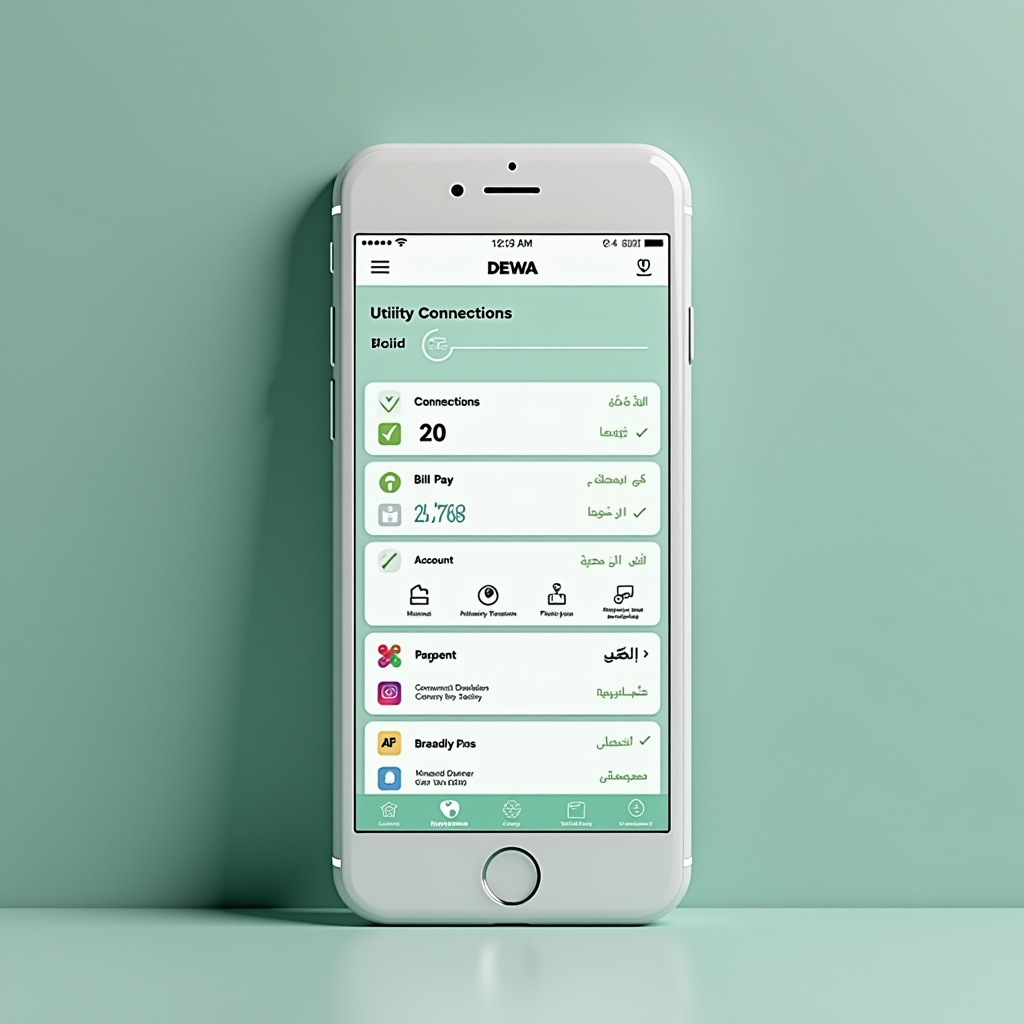
The Dubai Electricity and Water Authority (DEWA) provides essential utilities to most areas in Dubai. Setting up your DEWA account is one of the first tasks after signing your lease, and the process has become increasingly streamlined through digital channels.
Required Documents for DEWA Connection
- 1 Valid Passport Copy:Your passport must have at least six months validity remaining.
- 2 UAE Residence Visa:A copy of your valid residence visa page in your passport.
- 3 Ejari Certificate:Your registered tenancy contract from the Ejari system.
- 4 Emirates ID:A copy of your Emirates ID (front and back).
- 5 Security Deposit:Typically AED 2,000 for apartments and AED 4,000 for villas (refundable upon account closure).
Connection Methods and Timeline
DEWA offers three convenient ways to set up your connection: through their website, mobile app, or by visiting a customer service center. The online process is fastest, typically taking 2-3 business days for activation. You'll receive a unique account number that you'll use for all future transactions, including bill payments and service requests.
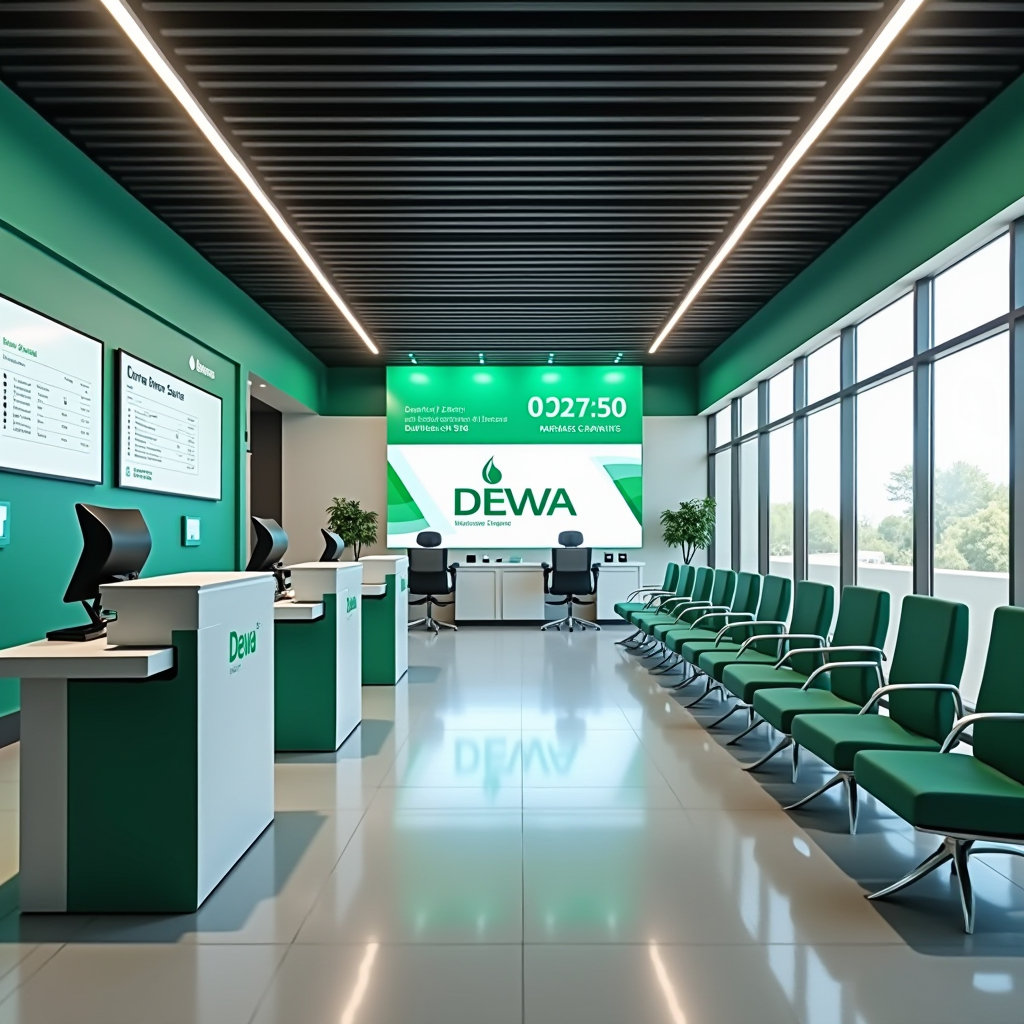
Understanding your DEWA bill is crucial for budgeting. Bills include electricity and water charges, plus additional fees for housing, sewerage, and municipality services. The housing fee is 5% of your annual rent divided by 12 months. Many newcomers are surprised by summer electricity costs when air conditioning runs constantly—expect bills to double or triple during June through September compared to winter months.
Security Deposits and Hidden Costs: Complete Financial Planning Guide
One of the biggest financial shocks for newcomers to Dubai's rental market is the upfront cost. Unlike many countries where you pay one month's rent as a deposit, Dubai's rental system requires substantial initial payments that can total several months' worth of rent.
Typical Upfront Costs Breakdown
- First Year's Rent:Usually paid in 1-4 cheques (one cheque, two cheques, or quarterly payments)
- Security Deposit:5-10% of annual rent (refundable at lease end)
- Agency Commission:5% of annual rent (if using a real estate agent)
- DEWA Deposit:AED 2,000-4,000 (refundable)
- Ejari Registration:AED 220 (approximately)

Monthly Budget Beyond Rent
Your monthly housing costs extend well beyond the rent payment. Successful budgeting requires accounting for utilities, maintenance, and community fees. Here's what to expect on a monthly basis:
DEWA Bills:Expect AED 400-800 for a one-bedroom apartment in winter, rising to AED 800-1,500 in summer. Larger units and villas can see bills of AED 2,000-4,000 during peak cooling months.
Chiller Fees:Many newer buildings use district cooling systems. These fees are separate from DEWA and typically range from AED 0.55 to AED 0.85 per square foot monthly.
Internet and TV:Basic internet packages start around AED 300 monthly, while comprehensive packages with TV channels can reach AED 600-800.
Maintenance Fund:Some buildings charge annual maintenance fees (typically AED 5-15 per square foot) that cover common area upkeep, security, and amenities.
A realistic monthly budget for a one-bedroom apartment in a mid-range area like Jumeirah Village Circle should include: AED 4,500-6,000 rent, AED 600-1,000 utilities, AED 400 internet, and AED 200-300 for miscellaneous building fees. This totals approximately AED 5,700-7,700 monthly, not including groceries, transportation, or entertainment.
Lease Agreement Essentials: What to Read Before You Sign
Your tenancy contract is a legally binding document that defines your rights and responsibilities for the entire lease period. Most Dubai rental contracts follow a standard format approved by RERA, but it's crucial to read every clause carefully before signing. Understanding these terms can prevent disputes and financial surprises down the road.

Critical Contract Clauses to Review
Lease Duration and Renewal Terms:Standard contracts run for 12 months, but verify the exact start and end dates. Check whether the contract includes automatic renewal clauses and what notice period is required if you don't wish to renew. Some contracts include rent increase percentages for subsequent years—these must comply with RERA's rental index.
Payment Schedule:Confirm the number of cheques required and their due dates. While landlords prefer fewer cheques (one or two annually), tenants benefit from more frequent payments (four or six cheques). This is negotiable, especially in a tenant-favorable market. Ensure the payment schedule is clearly documented to avoid disputes.
Maintenance Responsibilities:The contract should specify who handles various types of repairs. Typically, landlords cover structural issues, major appliance failures, and building system problems, while tenants handle minor repairs, light bulb replacements, and damage caused by misuse. Clarify the process for reporting and approving maintenance work.
Early Termination Clauses:Life circumstances change, and you may need to break your lease early. Check if the contract includes early termination provisions and associated penalties. Some contracts allow termination with two months' notice and forfeiture of the security deposit, while others may require payment of remaining rent.
Red Flags in Rental Contracts
Be wary of contracts that deviate significantly from RERA standards. Excessive security deposits (more than 10% of annual rent), unreasonable maintenance clauses that shift all responsibility to tenants, or vague language about rent increases should raise concerns. Never sign a contract that hasn't been registered with Ejari, as this leaves you without legal protection.
Additionally, verify that the person signing as landlord actually owns the property or has legal authority to lease it. Request to see the title deed (property ownership document) and ensure the name matches the contract. This simple step can prevent fraud and ensure you're dealing with legitimate parties.
Neighborhood Comparisons: Finding Your Perfect Dubai Community
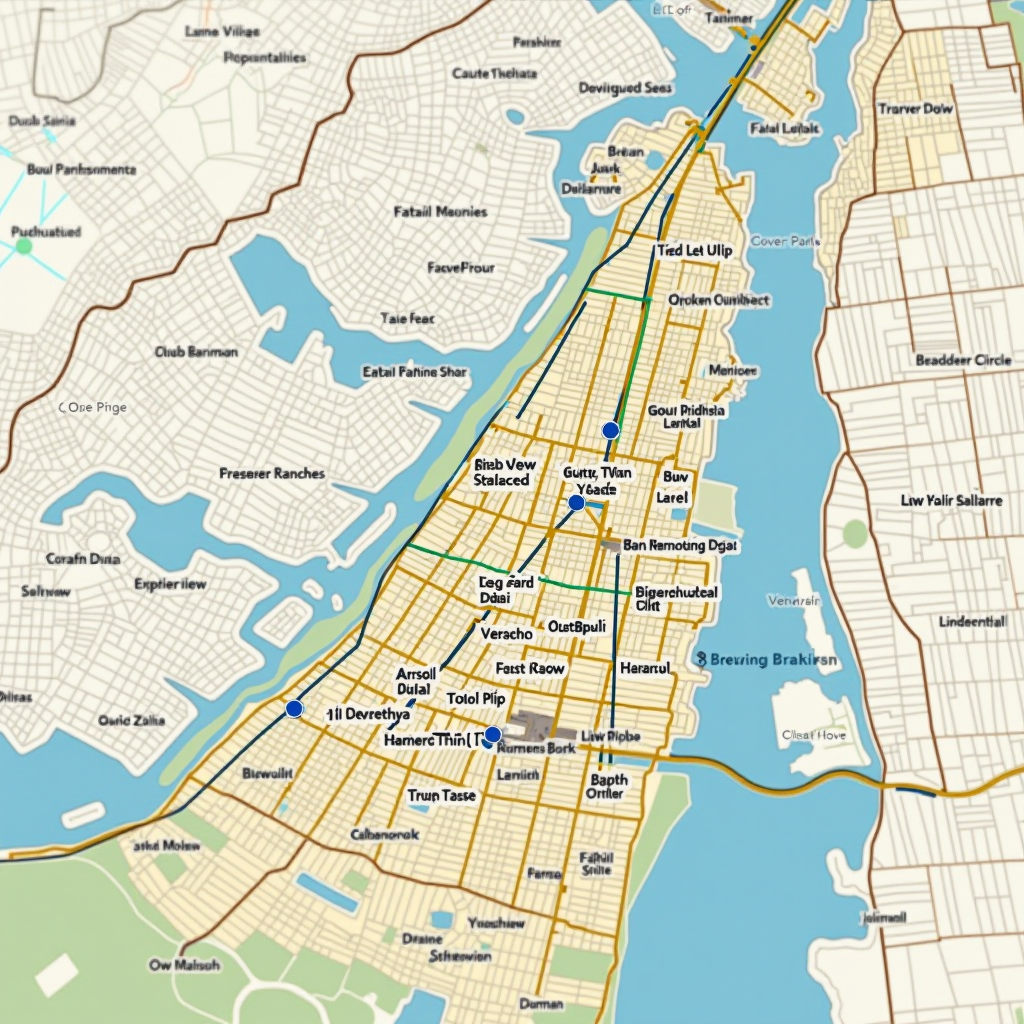
Dubai's diverse neighborhoods cater to different lifestyles, budgets, and priorities. Understanding the character of each area helps narrow your search and ensures you choose a location that matches your daily needs. From bustling urban centers to quiet family-oriented communities, Dubai offers remarkable variety within relatively short distances.
Popular Areas for Newcomers
Dubai Marina and JBR
Best for:Young professionals, beach lovers, active social life
Rent range:AED 55,000-95,000 for one-bedroom apartments
This waterfront community offers stunning views, beach access, and countless dining and entertainment options. The Marina Walk and JBR Beach attract crowds year-round. Excellent metro connectivity makes commuting convenient, though parking can be challenging and expensive.
Downtown Dubai and Business Bay
Best for:Professionals working in DIFC, luxury seekers, urban lifestyle enthusiasts
Rent range:AED 65,000-120,000 for one-bedroom apartments
Home to Burj Khalifa and Dubai Mall, this area epitomizes luxury urban living. High-end restaurants, world-class shopping, and proximity to major business districts make it attractive despite premium prices. Traffic congestion during peak hours is a notable drawback.
Jumeirah Village Circle (JVC)
Best for:Families, budget-conscious renters, pet owners
Rent range:AED 38,000-65,000 for one-bedroom apartments
This circular community offers excellent value with spacious apartments, parks, and family-friendly amenities. The central park hosts community events and provides green space. Limited metro access means car ownership is practically essential, but the trade-off is more affordable living.
Arabian Ranches and Springs
Best for:Families with children, villa lifestyle seekers, golf enthusiasts
Rent range:AED 95,000-180,000 for three-bedroom villas
These established villa communities offer spacious homes with gardens, community pools, and excellent schools nearby. The suburban feel provides peace and quiet, though commuting to business districts takes 30-45 minutes. Strong community spirit and family-oriented amenities make these areas popular with expatriate families.
Practical Apartment Hunting Tips
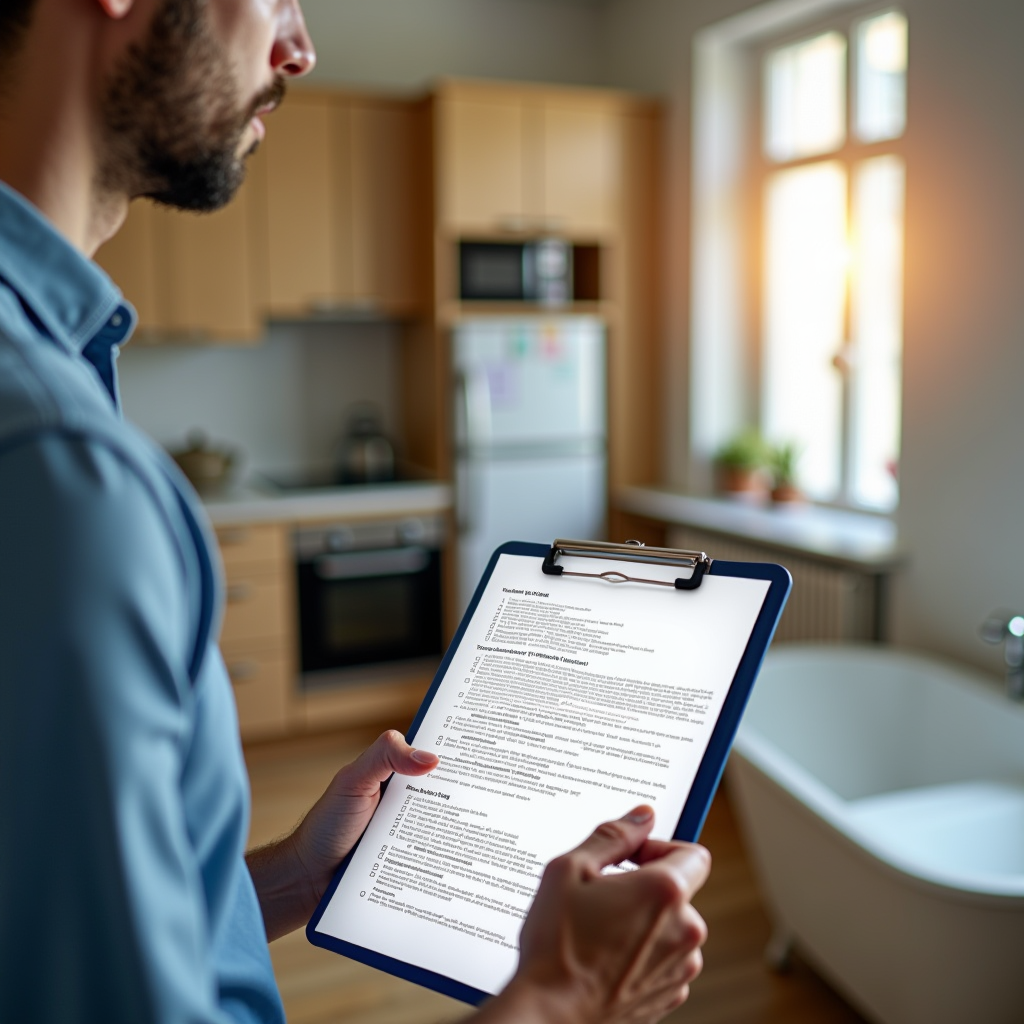
Start your search at least 4-6 weeks before your desired move-in date. Dubai's rental market moves quickly, especially for well-priced properties in popular areas. Use online classifieds platforms to browse listings, but always view properties in person before committing. Photos can be misleading, and seeing the actual condition, layout, and neighborhood atmosphere is essential.
Schedule viewings during different times of day if possible. A quiet morning viewing might not reveal evening traffic noise or afternoon sun exposure that makes certain rooms uncomfortably hot. Test water pressure, check air conditioning functionality, and inspect for signs of moisture damage or pest issues. Don't hesitate to ask neighbors about their experiences—they often provide honest insights about building management and community issues.
Essential Questions to Ask Landlords and Viewing Checklist
Asking the right questions during property viewings can reveal potential issues and help you make informed decisions. Don't feel pressured to commit on the spot—legitimate landlords and agents understand that renting is a significant decision requiring careful consideration.
Critical Questions for Landlords
- What is included in the rent? (Parking, storage, gym access, pool maintenance)
- Are there additional fees? (Chiller charges, maintenance fund, security fees)
- When was the last major maintenance performed? (AC servicing, plumbing checks)
- What is the process for requesting repairs and maintenance?
- Are pets allowed? (If applicable, get written confirmation)
- Can I see the title deed to verify ownership?
- What is the notice period for both parties?
- Why is the previous tenant leaving? (Can reveal property or landlord issues)
Property Viewing Checklist
General Condition
- Check walls and ceilings for cracks, water stains, or mold
- Inspect flooring for damage, loose tiles, or worn carpet
- Test all windows and doors for proper operation and sealing
- Verify adequate natural light and ventilation
Kitchen and Bathrooms
- Test water pressure in all faucets and showers
- Check for leaks under sinks and around toilets
- Verify all appliances work (stove, oven, refrigerator, dishwasher)
- Assess storage space and cabinet condition
Climate Control and Utilities
- Test air conditioning in all rooms (crucial in Dubai's climate)
- Check electrical outlets and light switches functionality
- Verify internet connectivity availability and speed
- Ask about average utility costs from current/previous tenants
Building and Community
- Inspect parking space allocation and accessibility
- Check building amenities (gym, pool, security, elevators)
- Assess noise levels from neighbors and street traffic
- Verify proximity to essential services (supermarkets, pharmacies, metro)

Take photos and videos during viewings for later reference when comparing properties. This documentation also serves as evidence of the property's condition at move-in, protecting you from unfair security deposit deductions when you eventually move out. Create a simple spreadsheet comparing properties across key factors: rent, location, condition, amenities, and commute time to work.
Final Thoughts: Making Your Dubai Rental Experience Smooth
Navigating Dubai's rental market becomes significantly easier once you understand the regulations, processes, and common practices. While the upfront costs and documentation requirements may seem daunting initially, the system is designed to protect both landlords and tenants, creating a relatively stable and transparent rental environment.
Remember that patience and thorough research pay off. Don't rush into signing a lease for the first property you view, even if the agent creates urgency. Good properties do move quickly, but there's always another option. Take time to understand your budget comprehensively, including all hidden costs, and choose a neighborhood that genuinely fits your lifestyle and daily routine.
Building a good relationship with your landlord or property management company makes your tenancy more pleasant. Communicate clearly, pay rent on time, and report maintenance issues promptly. Most landlords appreciate responsible tenants and may be more flexible with renewal terms or minor requests when you've proven yourself reliable.
Pro Tip:Join online expat communities and forums specific to Dubai. These groups provide invaluable real-world advice, landlord recommendations, and warnings about problematic properties or agents. Fellow expats who've recently gone through the rental process often share insights you won't find in official guides.
Dubai offers diverse housing options for every budget and lifestyle preference. Whether you choose a high-rise apartment with marina views, a family villa in a gated community, or a budget-friendly studio in an emerging neighborhood, understanding the rental process ensures you make informed decisions and avoid common pitfalls. Welcome to Dubai, and may your search for the perfect home be successful and stress-free.